


5 Ways Automotive Dealership Software Helps Dealers Work Smarter and Grow Faster
A customer arrives for a scheduled service appointment at 8:00 AM. The service advisor greets them, but there’s a problem. The vehicle’s service history is stored in another system, the required spare part hasn’t arrived, and accounting still hasn’t approved the warranty claim.
Meanwhile, the sales team is preparing to deliver another vehicle but is waiting for confirmation that the final payment has been received. The workshop manager is trying to reorganize technicians because two unexpected repairs have disrupted the day’s schedule.
None of these situations are unusual.
Most dealerships don’t struggle because their employees lack experience or commitment. They struggle because information is scattered across disconnected systems, spreadsheets, emails, and paper documents. Every department has part of the picture, but no one has the complete view.
That’s where modern automotive dealership software makes the difference.
Instead of treating sales, service, parts, finance, and management as separate operations, it brings them together into one connected platform where everyone works with the same real-time information.
Here are five ways that connected approach creates measurable value for dealerships.
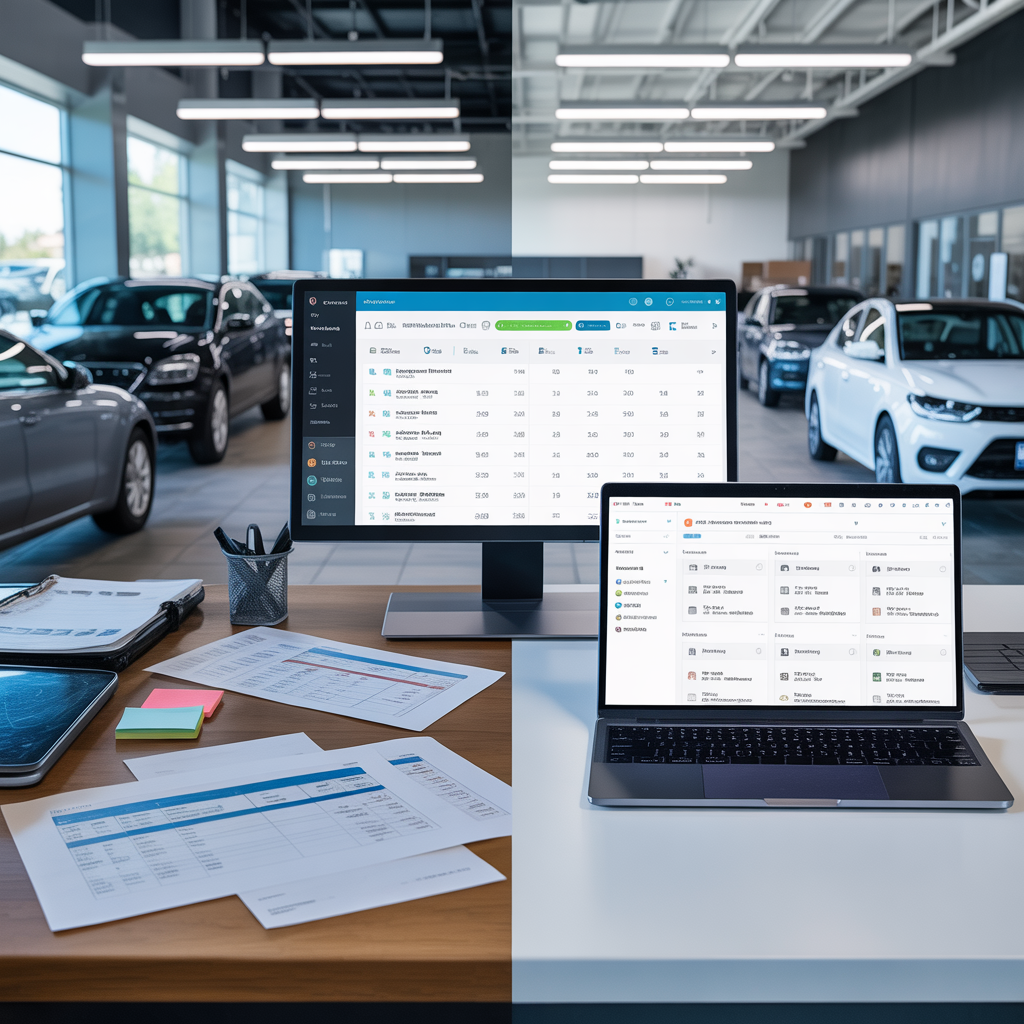
1. Better Visibility Leads to Better Decisions
Every dealership generates thousands of data points every day. Vehicle sales, workshop bookings, spare parts movements, warranty claims, technician productivity, supplier invoices, and customer interactions all tell part of the business story.
The challenge isn’t collecting data. It’s turning that data into decisions.
Modern automotive dealership software gives managers a real-time view of their entire operation. Instead of relying on reports prepared days later, they can immediately see:
- Which vehicles have been sitting in stock for too long
- Which spare parts are rarely used and tying up capital
- Which workshop jobs are delayed
- Which departments are performing above or below expectations
- Which locations are most profitable
When leaders have accurate information at the right moment, they spend less time reacting to problems and more time improving performance.
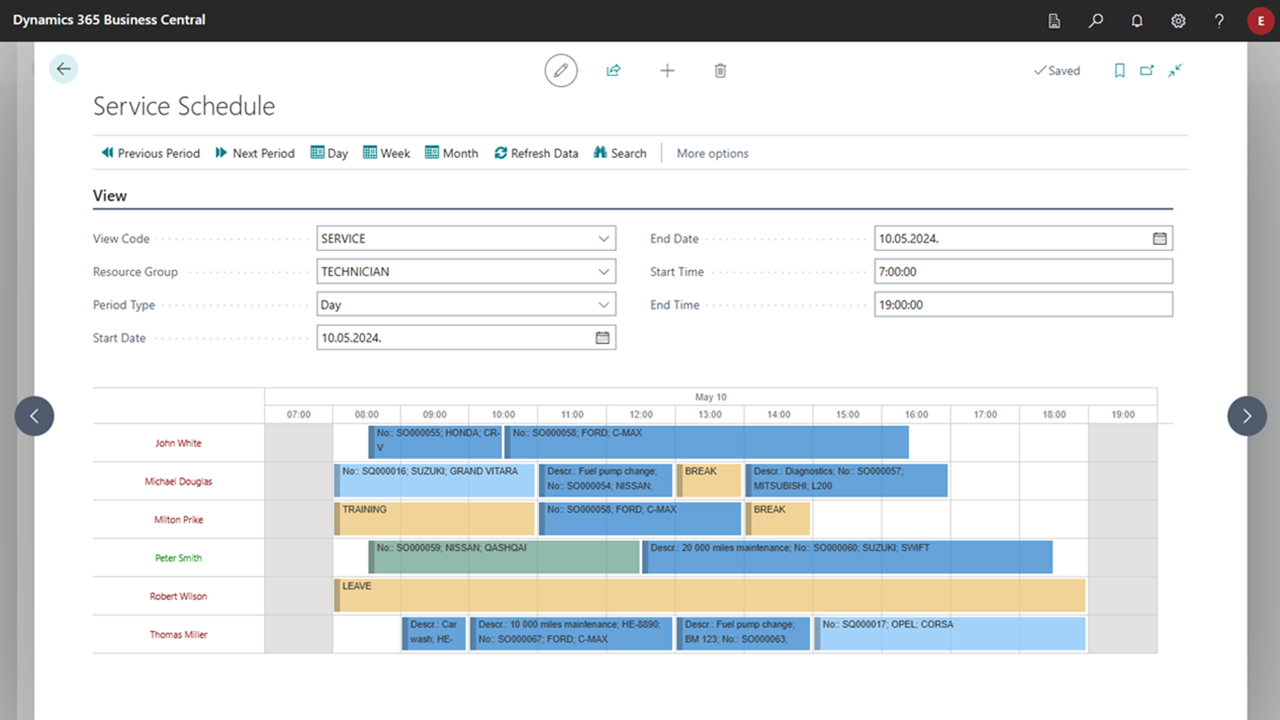
2. Connected Service Operations Create Better Customer Experiences
For most dealerships, aftersales generates a significant share of long-term revenue. But delivering excellent service depends on coordination between multiple teams.
A successful service visit starts long before the customer arrives.
Appointments need to be scheduled efficiently. Parts should already be available. Technicians require clear work orders. Service advisors need instant access to previous repairs, warranty information, and customer history.
When every department works from the same system, the entire process becomes smoother.
Customers notice the difference.
Appointments start on time. Advisors already know the vehicle’s history. Repairs are completed faster. Communication becomes proactive instead of reactive.
These improvements don’t just increase customer satisfaction. They encourage customers to return for future servicing and vehicle purchases.
3. One Platform Eliminates Information Silos
Many dealerships still operate with multiple disconnected applications.
Sales manages customer information in one system.
Service uses another.
Accounting works in the ERP.
Parts rely on spreadsheets.
Managers combine reports manually.
Every disconnected process creates opportunities for delays, duplicate work, and costly mistakes.
Modern dealership software removes those barriers by creating a single source of truth.
When a vehicle is sold, every department immediately sees the update.
When a service appointment is booked, technicians, parts advisors, and managers have the same information.
When inventory changes, everyone works with current stock levels.
Employees stop searching for information and start serving customers.
Instead of asking, “Who has the latest version?” everyone works with the same data.
4. Automation Gives Employees More Time for High-Value Work
Dealership employees don’t create value by copying information between systems or manually updating spreadsheets.
They create value by helping customers, solving problems, and building relationships.
Modern automotive dealership software automates many repetitive administrative tasks, including:
- Service scheduling
- Vehicle document management
- Warranty processing
- Parts replenishment
- Customer communication
- Financial reporting
- Approval workflows
Automation doesn’t replace people.
It removes repetitive work so employees can focus on the activities that require expertise, judgement, and customer interaction.
The result is faster processes, fewer manual errors, and a more productive team.
5. Better Customer Relationships Drive Long-Term Growth
Winning a new customer is expensive.
Keeping an existing one is far more valuable.
Every interaction shapes whether a customer returns for future servicing, purchases another vehicle, or recommends the dealership to others.
Automotive dealership software helps create consistent customer experiences by giving every employee access to complete customer and vehicle information. Service advisors know previous repairs.
Sales consultants understand ownership history.
Warranty information is immediately available.
Communication stays consistent across every department.
Customers feel recognized instead of repeatedly explaining the same information.
Over time, those positive experiences build trust, loyalty, and repeat business.
For more details read our other blog How Technology Drives Customer Satisfaction in Vehicle Sales and Service
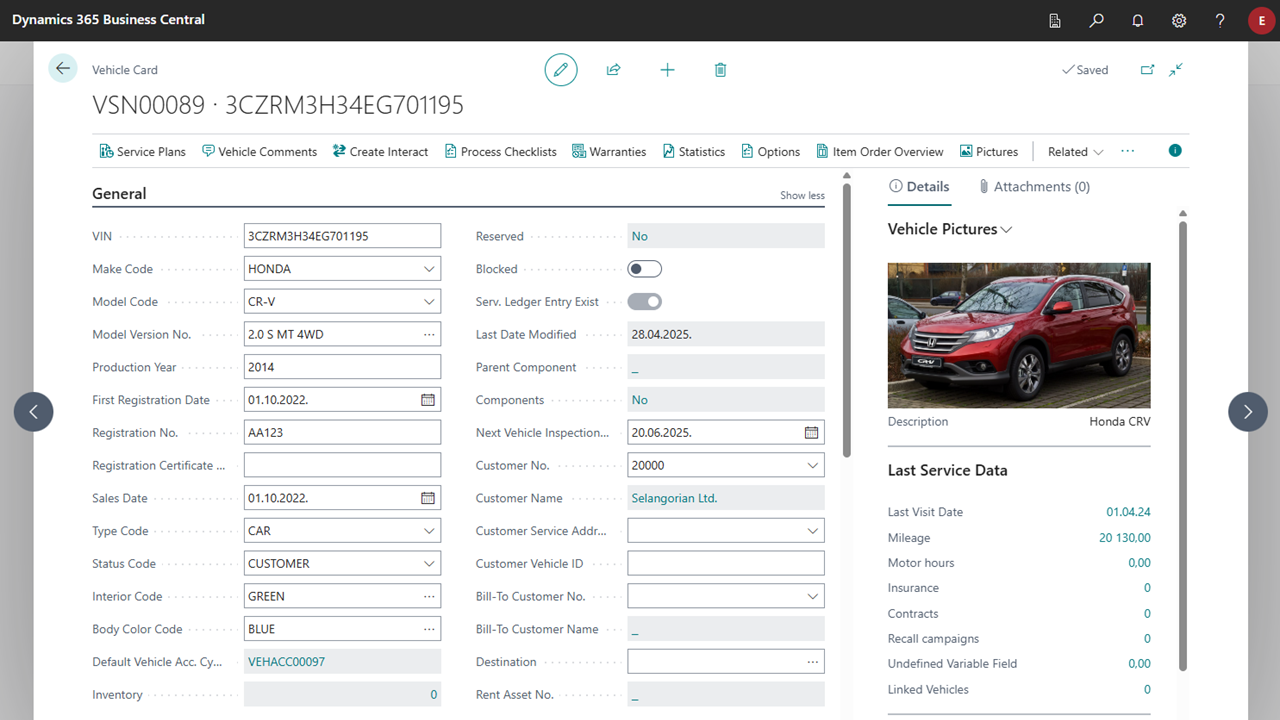
Technology Supports Great Dealerships. People Make Them Successful.
Buying new software isn’t the goal.
Building a more efficient dealership is.
The most successful dealerships combine experienced people with connected technology that supports every stage of the customer journey.
When sales, service, parts, finance, and management all work from the same information, teams make better decisions, respond faster to customers, and spend less time dealing with administrative tasks.
As dealerships face increasing customer expectations, growing competition, and pressure to improve profitability, connected operations are no longer a competitive advantage.
They’re becoming the standard.
Is It Time to Modernize Your Dealership Operations?
If your dealership still relies on multiple disconnected systems, spreadsheets, or manual processes, it may be time to evaluate whether your technology is helping your business grow or holding it back.
ELVA DMS is built on Microsoft Dynamics 365 Business Central and brings vehicle sales, aftersales, spare parts, finance, customer management, and reporting together in one integrated platform. The result is greater visibility, more efficient operations, and a better experience for both employees and customers.
Whether you operate a single dealership or manage multiple locations, choosing the right automotive dealership software can help your business become more agile, more efficient, and better prepared for future growth.